Exploration of Insect Laboratories: Scientific Investigations and Research
In the realm of learning, insect experiments offer a unique and engaging approach to understanding the intricacies of the natural world. These hands-on activities foster curiosity, observation skills, and an appreciation for ecosystems, sparking interest in biology and environmental science among children.
Hands-on Exploration and Observation
Interactive stations and labs, such as the Perot Museum's "Bug Lab," provide an opportunity for kids to examine real insect specimens and observe their behaviours and abilities firsthand. This immersive learning experience offers a chance to understand insects' physical capabilities and complex behaviours.
Understanding Ecosystems
Activities like creating bug hotels or butterfly gardens help children grasp the role insects play in pollination, decomposition, and food chains, highlighting their environmental importance and fostering ecological awareness.
Encouraging Scientific Thinking and Curiosity
Insect-focused field trips and classroom studies transform children into "insect detectives," promoting observation, identification, and inquiry skills, while demystifying insects and reducing fears or misconceptions.
Immersive Role-play and Habitat Simulations
Dramatic play areas mimicking insect habitats help young learners understand insects' natural environments and behaviours by placing them in immersive, experiential settings.
A Buggy Decomposition Experiment
An intriguing experiment involves observing fruit undergo decomposition by insects. All you need is a jar and some pears, letting the insects do the work.
Goldenrod Galls and Insect Larvae
Insect larvae, such as those found inside goldenrod plants' ball-like growths called galls, provide fascinating insights into the adaptations of these creatures. For instance, the goldenrod gall fly has glycerol in its blood, acting like antifreeze, enabling it to withstand freezing temperatures.
Light and Dark Preferences in Insects
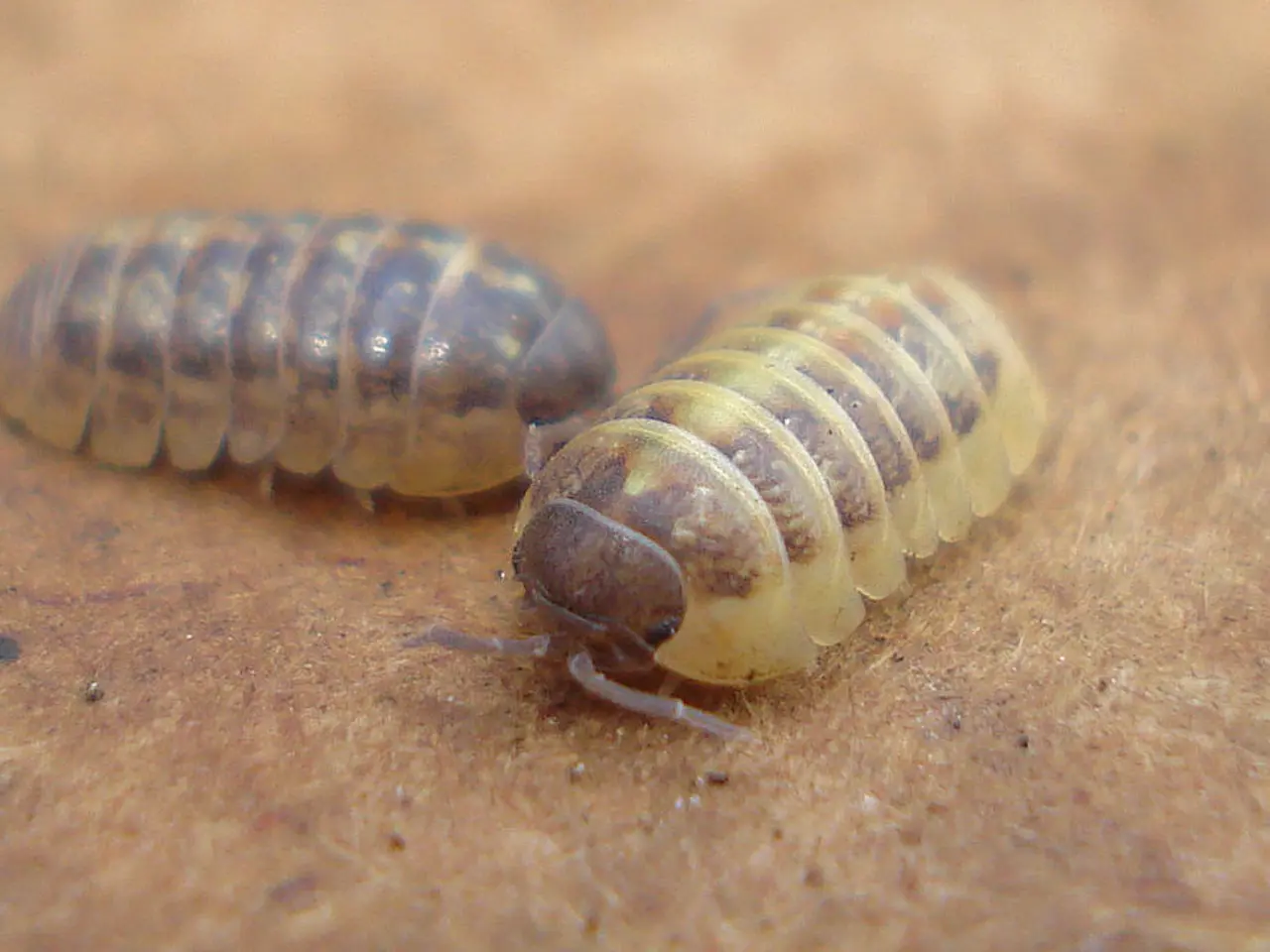
Many insects exhibit a preference for either light or dark conditions. For example, pill bugs and crickets prefer the dark, while others, like moths, are attracted to light. The misconception that moths are attracted to artificial light sources may arise due to their disorientation, as they are accustomed to using distant light sources, such as the moon or the sun, for navigation.
Temperature Effects on Insects
Observing insects in a sunny flower garden during the spring, when temperatures can fluctuate, offers a practical way to understand how temperature affects these creatures.
The Praying Mantis and Fruit Flies
An exciting aspect of these experiments is the chance to witness the praying mantis hunt down and consume fruit flies. The praying mantis, a "sit and wait" hunter, exhibits fascinating behaviours, such as its ability to turn its head 180 degrees to keep track of its prey.
Snow Fleas and Cold-Weather Insects
Insects like snow fleas, which thrive in cold weather, offer a glimpse into the adaptations that allow some creatures to survive in harsh environments. Snow fleas have a tail-like feature that works like a pogo stick, enabling them to jump up and down.
Observing Insect Behaviour Over Time
By placing insects inside a tube with a light and dark area, children can observe and count the number of insects in each area every 15 minutes, offering valuable insights into insect behaviour and preferences.
These insect experiments provide a fun and educational journey into the natural world, helping children connect with nature meaningfully and learn biological concepts such as adaptation, biodiversity, and interdependence in ecosystems. These experiences lay foundations for lifelong environmental stewardship and science learning.
Integrating Science into Everyday Life
Insects help bridge the gap between science and everyday life, enabling children to appreciate the role insects play in our health and wellness, such as pollinating crops for our food, and even determining the presence of medical-conditions through microscopic analysis of their bodies.
Expanding Horizons Beyond the Earth
Insects' resilience and adaptive qualities can also inspire space-and-astronomy enthusiasts, as they serve as prime examples of tiny survival machines that thrive in extreme conditions – a fascinating parallel to space exploration and self-development.
Encouraging lifelong Education and Awareness
Moreover, these hands-on activities delve into education-and-self-development, stimulating intellectual curiosity and critical thinking, ultimately fostering responsible citizens who care about the environment, human health, and the advancement of science and technology.