Innovation in Education Unveiled at Brooks Academy of Science
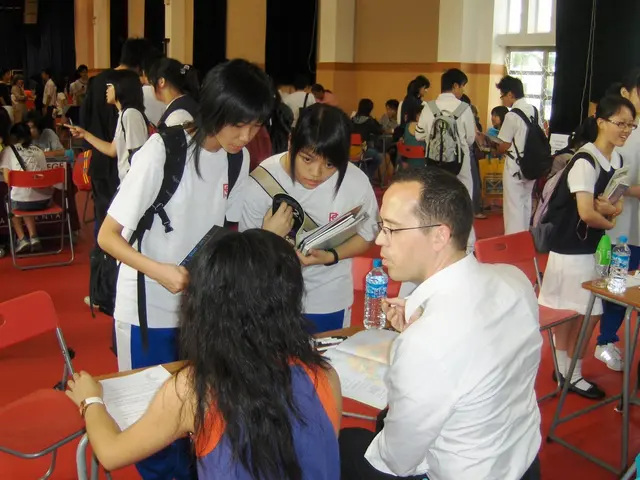
Brooks Academy of Science, located in New York, is revolutionising STEM education by providing an engaging, hands-on learning environment that encourages exploration, creativity, and problem-solving. The academy's unique approach to teaching has been captivating students and attracting attention from educators across the country.
At the heart of Brooks Academy's curriculum lies a focus on interdisciplinary learning, with subjects like math, art, and literature integrated into the science curriculum to help students see the bigger picture and understand how science influences everyday life. This approach, known as STEAM education, encourages students to ask questions, investigate, and discover answers through hands-on experiences.
The academy's commitment to nurturing curious, engaged, and well-rounded learners is evident in its emphasis on inquiry-based learning. Students are often engaged in projects that require them to formulate hypotheses, conduct experiments, and analyse their findings. This approach not only builds critical thinking skills but also encourages peer mentorship and teamwork.
Brooks Academy also incorporates technology into everyday learning, preparing students for a tech-savvy future. Virtual labs, online simulations, and educational software are employed to enhance digital literacy, critical thinking, and problem-solving skills. The academy's students also benefit from one-on-one mentorship opportunities and personalized learning plans, ensuring that each student reaches their full potential.
The academy's innovative learning environment is designed to foster collaboration and creativity. Flexible classrooms and outdoor learning areas encourage students to work together and think outside the box. The academy's physical environment, combined with its unique curriculum, creates a rich tapestry of learning that prepares students for the challenges of the future.
Brooks Academy's educators express satisfaction with the creative freedom to engage students in meaningful ways. The faculty at the academy engages in continuous professional development, with workshops, conferences, and peer collaboration being essential for keeping teaching methods fresh and innovative.
The academy's students often express greater enthusiasm for learning, and this is reflected in their standardized test scores, which have shown significant increases compared to regional averages. The academy's innovative methods have also led to a rise in student engagement and a sense of community and teamwork.
Brooks Academy's innovative learning approaches may very well shape the future of education in New York and beyond. The academy's emphasis on inquiry-based learning, integration of technology, personalised learning, collaborative learning environments, and STEAM education makes it a leader in 21st-century learning. The academy's students report feeling more prepared for higher education and the workforce, and its unique blend of interdisciplinary curriculum, technology integration, and community involvement has unlocked the secrets of innovative learning.
- The academy's interdisciplinary approach to STEM education, known as STEAM, incorporates subjects like art and literature into the science curriculum, helping students see how science influences everyday life.
- Brooks Academy's students are preparing for a tech-savvy future, as technology like virtual labs, online simulations, and educational software are integrated into everyday learning, enhancing digital literacy and problem-solving skills.
- In addition to academic growth, Brooks Academy's focus on collaboration and creativity fosters a sense of community and teamwork among its students, promoting peer mentorship and teamwork.
- The academy's educators benefit from continuous professional development, participating in workshops, conferences, and peer collaboration to ensure that teaching methods remain fresh and innovative.
- Brooks Academy's unique blend of interdisciplinary curriculum, technology integration, and community involvement has contributed to a rise in student engagement and a more prepared student body for higher education and the workforce.