
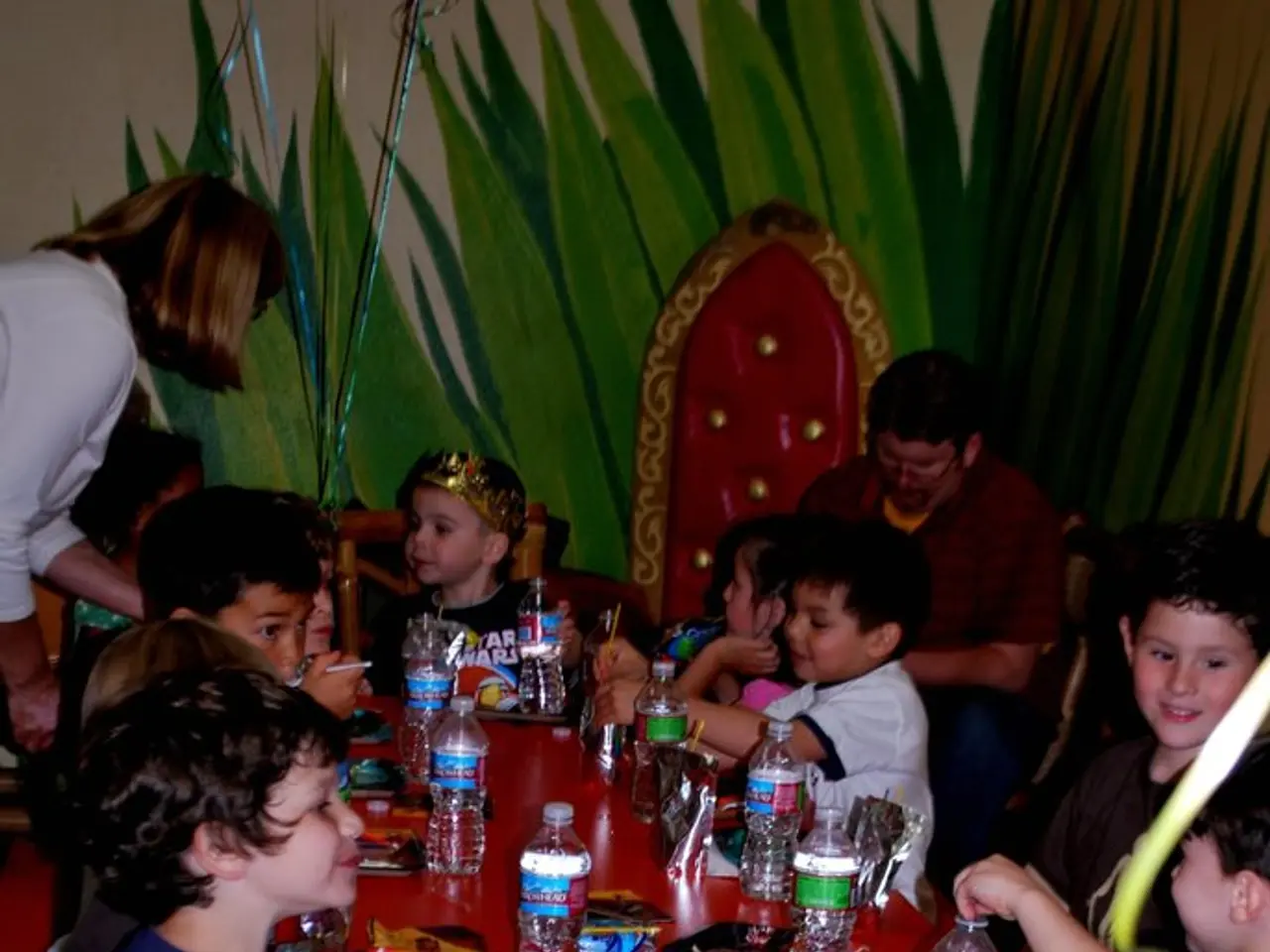
Nigerian Cultural Practices for Attending a Baby Shower
In Nigeria, the celebration of expectant mothers takes on a unique blend of tradition and modernity. While Western-style baby showers are becoming increasingly popular, especially in urban settings, the country's rich cultural heritage offers a distinct approach to pregnancy and childbirth.
In many rural or underserved areas, traditional birth attendants (TBAs) play a crucial role, providing assistance using herbal remedies and spiritual care passed down through generations. Herbs like Janyaro and Ganyen Maje are often used during labor and post-delivery, reflecting a deep-rooted belief in the medicinal power of plants.
Traditional customs also include practices such as the seclusion of women after birth, the use of herbal baths, and strong cultural pressure for exclusive breastfeeding. These customs, while different from Western baby showers, are deeply rooted in cultural beliefs and serve to protect mother and child.
In contrast, baby showers are modern, celebratory events primarily focused on social support and gift-giving. They involve friends and family gathering to offer love, well-wishes, and practical gifts to the expectant mother. Common baby shower games include Baby Scramble, Diaper Change Relay, and The Price is Right.
When planning games and activities, it is crucial to prioritize the comfort of the expectant mother. Guests should wrap their gifts beautifully and include a heartfelt message. In Nigerian culture, it is customary to give gifts that have cultural significance, often including clothing, jewelry, toys, and other items associated with Nigerian culture. Blessings are usually given in the form of prayers and well-wishes for the health and happiness of both the mother and the baby. It is also common for guests to give money as a gift, which symbolizes prosperity and support for the new parents.
During the event, guests should be engaged and courteous, actively participating in games, conversations, and activities to foster a warm and inviting atmosphere. Appropriate conversations and topics focus on positive aspects such as nursery preparations, baby names, and exciting experiences.
By adhering to proper baby shower etiquette and embracing cultural sensitivity, Nigerian guests can ensure a harmonious and enjoyable baby shower experience. It is essential for guests to RSVP promptly so the host can adequately prepare for the number of attendees and ensure a smooth and enjoyable experience for everyone.
Understanding and practicing proper baby shower etiquette is crucial for Nigerian guests to show respect for the expectant mother and contribute to a memorable and meaningful event. The article concludes by encouraging guests to make lasting impressions while creating a memorable and significant celebration for the expectant parents by demonstrating cultural sensitivity.
[1] World Health Organization. (n.d.). Traditional birth attendants: facts and figures. Retrieved from https://www.who.int/reproductivehealth/publications/traditional/traditional-birth-attendants-facts-figures/en/
[2] Oluwatayo, O. O., & Adebayo, A. A. (2014). Baby showers in Nigeria: A cultural phenomenon. Retrieved from https://www.researchgate.net/publication/323306520_Baby_showers_in_Nigeria_A_Cultural_Phenomenon
[3] Ogunbodede, A. O., & Adeyemo, A. O. (2015). Cultural practices and childbirth in Nigeria. Retrieved from https://www.ncbi.nlm.nih.gov/pmc/articles/PMC4437733/
[4] Adeyemo, A. O., & Ogunbodede, A. O. (2015). Cultural practices and breastfeeding in Nigeria. Retrieved from https://www.ncbi.nlm.nih.gov/pmc/articles/PMC4612568/
[5] Ogunbodede, A. O., & Adeyemo, A. O. (2015). Postnatal care practices in Nigeria. Retrieved from https://www.ncbi.nlm.nih.gov/pmc/articles/PMC4612558/
- In Nigeria, traditional birth attendants (TBAs) play a vital role in rural and underserved areas, offering assistance with herbal remedies and spiritual care, often using plants like Janyaro and Ganyen Maje.
- The traditional customs in Nigeria, such as seclusion of women after birth and exclusive breastfeeding, reflect deep-rooted beliefs and serve to protect the health and safety of both the mother and baby.
- In contrast, modern baby showers are celebratory events focused on social support, gift-giving, games like Baby Scramble and Diaper Change Relay, and discussing exciting aspects like nursery preparations, baby names, and positive experiences.
- When attending a Nigerian baby shower, it is customary to give gifts that have cultural significance, such as clothing, jewelry, toys, and items associated with Nigerian culture, and to offer blessings in the form of prayers and well-wishes.
- To create a meaningful and memorable event, guests should engage actively, courteously participate in games and conversations, and respect the expectant mother's comfort by wrapping gifts beautifully and including heartfelt messages.
- By adhering to proper baby shower etiquette and showing cultural sensitivity, guests can ensure a harmonious experience and contribute to a celebratory event that reflects the unique blend of tradition, modernity, and lifestyle in Nigerian family, parenting, fashion-and-beauty, and home-and-garden practices.